
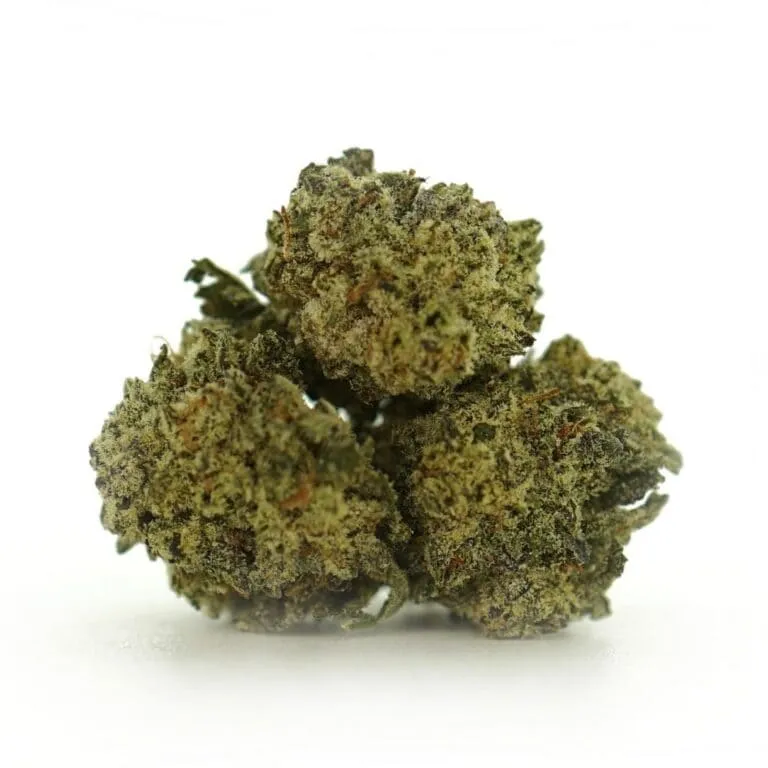
If you’ve searched online for cannabis information, you’ve probably come across phrases like “deals weed” or “weed ounce.” These terms frequently appear in search results, online discussions, and cannabis-related websites. While they may seem straightforward, understanding what they mean—and the information that matters beyond price—can help consumers make informed decisions in jurisdictions where cannabis is legally regulated.
This guide explains these common terms and highlights the importance of product quality, labeling, and safety.
What Does “Weed Ounce” Mean?
A weed ounce refers to a unit of weight used to describe cannabis flower. In legal markets, cannabis flower may be available in several package sizes, with an ounce representing one of the larger standard quantities offered where permitted by law.
Package sizes vary depending on local regulations, and retailers may also offer smaller quantities to suit different consumer needs.
What Does “Deals Weed” Usually Refer To?
The phrase “deals weed” is commonly used in online searches to describe cannabis promotions, discounts, or value-focused pricing in legal markets. It is a search term rather than a specific product category.
Regardless of pricing, consumers should look beyond promotional language and evaluate important information such as:
-
Product labeling
-
Laboratory testing
-
Packaging integrity
-
Cannabinoid content
-
Regulatory compliance
These factors provide more meaningful insight into product quality than price alone.
Why Product Labels Matter
Cannabis labels often contain valuable information, including:
-
THC content
-
CBD content
-
Batch or lot number
-
Packaging date
-
Ingredient information (where applicable)
-
Required health warnings
Reviewing labels carefully helps consumers understand what they are purchasing and compare products more effectively.
The Importance of Laboratory Testing
In regulated markets, many cannabis products undergo laboratory testing to verify:
-
Cannabinoid potency
-
Heavy metals
-
Pesticides
-
Microbial contamination
-
Residual solvents where applicable
Testing requirements vary by jurisdiction but are intended to support product quality and consumer safety.
Factors Beyond Price
When evaluating cannabis products, consumers often consider:
-
Product freshness
-
Cannabinoid profile
-
Terpene profile
-
Manufacturer transparency
-
Packaging quality
-
Compliance with local regulations
These characteristics may be more informative than focusing solely on price or promotional offers.
Responsible Storage
Proper storage can help preserve product quality.
General recommendations include:
-
Store in a cool, dry place.
-
Keep products away from direct sunlight.
-
Use the original packaging when practical.
-
Store securely out of reach of children and pets.
Following storage guidance may help maintain product integrity over time.
Frequently Asked Questions
What does “weed ounce” mean?
It refers to a standard unit of weight used for cannabis flower in legal markets, subject to local regulations.
Is the phrase “deals weed” a product category?
No. It is a general search term often used to find information about pricing or promotions rather than a specific type of cannabis product.
Why should consumers read cannabis labels?
Labels provide information about cannabinoid content, packaging dates, ingredients, and other details that help consumers understand the product.
Why is laboratory testing important?
Testing helps verify product information and screen for contaminants where required by law, supporting transparency and consumer safety.
Conclusion
Terms like “deals weed” and “weed ounce” are common in online cannabis searches, but informed consumers benefit from looking beyond price-focused language. Understanding product labels, laboratory testing, storage recommendations, and regulatory requirements provides a stronger foundation for evaluating cannabis products in legal, regulated markets.

